
Mathura Vrindavan Family Tour Package A Fun-Filled Vacation , Planning a family vacation that keeps everyone happy—from your curious six-year-old to your discerning teenager to your parents who need comfortable amenities—feels like solving a complex puzzle, doesn’t it? You want culture but not boredom, education but not lectures, spirituality but not stuffiness. Here’s the good news: Mathura Vrindavan checks all these boxes and then some.
These twin cities, famous as Lord Krishna’s birthplace and childhood home, offer families a unique vacation that blends mythology, history, culture, and pure fun. Your children will hear stories of butter-stealing Krishna that spark their imaginations, explore magnificent temples that look like fairy-tale palaces, and participate in activities that create lasting memories. Meanwhile, adults get their fill of spirituality, architecture, and cultural immersion. Ready to discover how Mathura Vrindavan can become your family’s next favorite destination? Let’s dive in!
Why Mathura Vrindavan Makes a Perfect Family Destination
Blending Education with Entertainment
Mathura Vrindavan Family Tour Package A Fun-Filled Vacation ,Let’s face it—dragging kids to “educational” destinations often results in whining and constant “Are we done yet?” questions. Mathura Vrindavan is different. The stories here aren’t dusty historical facts but vibrant tales of a mischievous child-god who stole butter, lifted mountains, and danced under moonlight. These narratives naturally captivate children’s imaginations.
The temples themselves become interactive learning environments. At Prem Mandir, intricate carvings depict Krishna’s life story like a three-dimensional comic book. At Krishna Janmabhoomi, children can see the actual prison cell where Krishna was born—suddenly, mythology becomes tangible. The blend of storytelling, visual splendor, and hands-on experiences means kids absorb cultural and spiritual knowledge without realizing they’re “learning.”
Parents appreciate that their children are discovering Indian heritage, understanding religious tolerance, and experiencing something beyond screens and shopping malls. Meanwhile, kids just think they’re having an adventure exploring magical-looking temples and hearing cool stories.
Safe and Welcoming for All Ages
Mathura Vrindavan Family Tour Package A Fun-Filled Vacation ,Safety tops every parent’s concern list when traveling. Mathura Vrindavan scores high here. The cities’ entire atmosphere revolves around devotion and pilgrimage, creating a naturally peaceful, family-oriented environment. Locals are accustomed to families with children and are generally patient and helpful.
The compact geography means major attractions are close together, reducing exhausting travel time. Unlike sprawling cities where you spend half your vacation in traffic, Mathura’s key sites are within 30 minutes of each other, and Vrindavan’s main temples are often within walking distance.
Temple complexes, while sometimes crowded, have security arrangements and designated facilities. Most major temples now have clean restrooms, drinking water stations, and first aid facilities. The tourist infrastructure has improved significantly, with more hotels, restaurants, and services geared toward families with diverse needs.
Best Time to Visit with Family
Winter Months: Perfect Weather
November through February offers ideal weather for family sightseeing. Daytime temperatures hover around 20-25°C—comfortable for walking and exploring without excessive heat exhausting young children. Early mornings and evenings can be slightly chilly, requiring light jackets, but this makes outdoor activities pleasant.
Mathura Vrindavan Family Tour Package A Fun-Filled Vacation ,Winter also coincides with school holidays in December and January, making it convenient for families. The pleasant weather means you can pack in more activities without kids melting down from heat fatigue. Picnics in gardens, boat rides on the Yamuna, and leisurely temple walks all become more enjoyable.
The only downside? This is peak tourist season, meaning crowds at popular temples. However, with proper planning—visiting major sites early morning or during lunch hours—you can avoid the worst congestion.
Festival Times: Cultural Immersion
Visiting during major festivals like Janmashtami (Krishna’s birthday in August-September) or Holi (March) offers extraordinary cultural experiences. The cities transform into celebration hubs with decorations, special programs, processions, and an infectious festive energy.
For children, these festivals are like stepping into a living storybook. During Janmashtami, temples showcase elaborate decorations, dramatic performances of Krishna’s birth, and special prasad distribution. The midnight celebrations, with temple bells ringing and devotees singing, create magical memories.
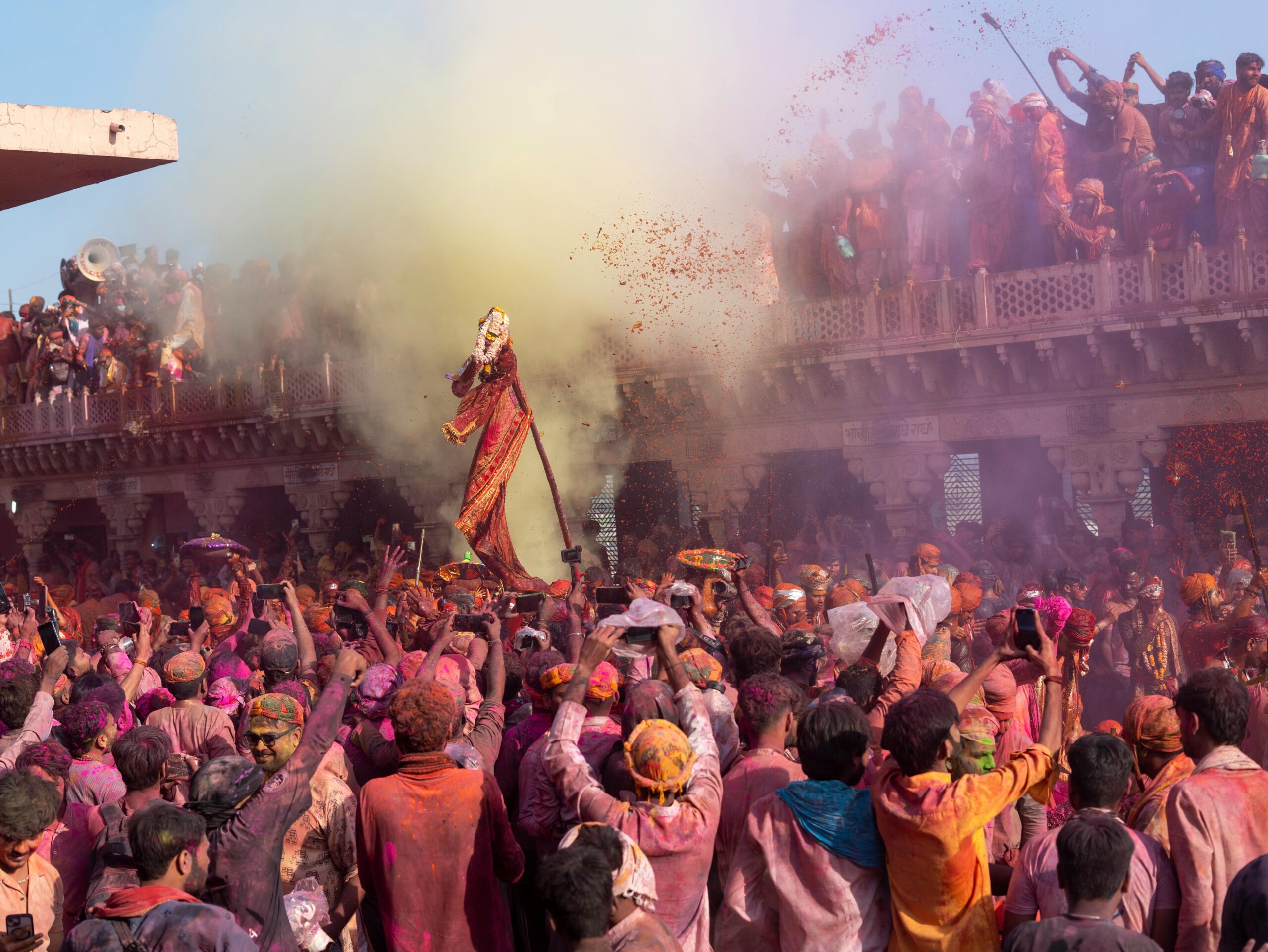
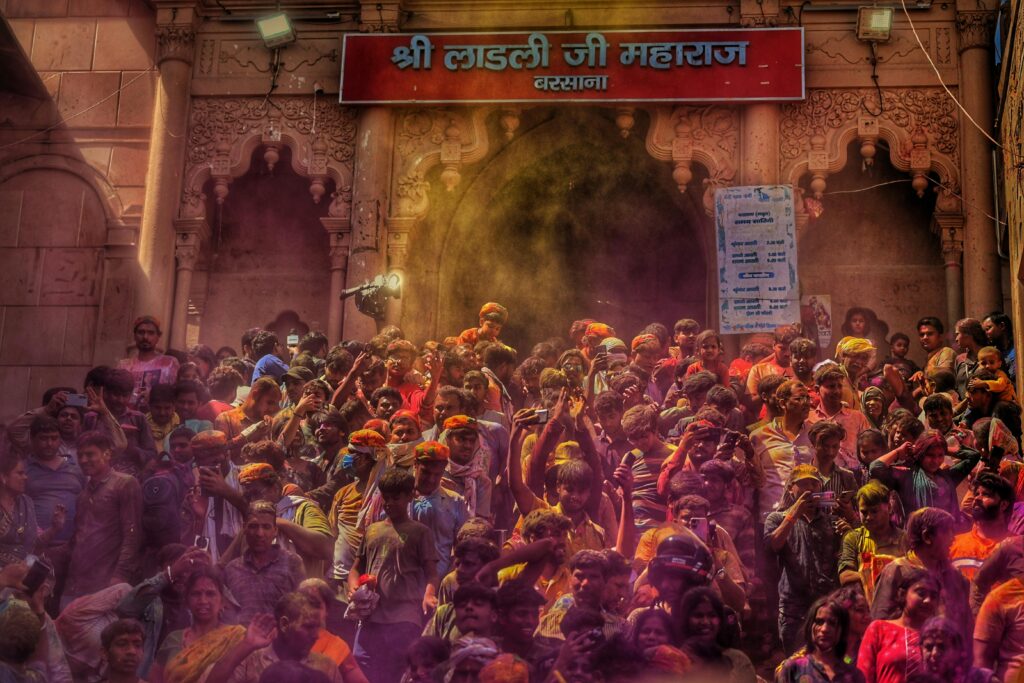
Holi in Barsana and Nandgaon near Vrindavan is legendary—a week-long celebration with the unique Lathmar Holi where women playfully chase men with sticks. While the intensity might overwhelm very young children, kids aged eight and above typically love the colorful chaos.
Festival times require advance planning—book accommodations months ahead and prepare for crowds. But the cultural immersion and excitement make the extra effort worthwhile for families seeking memorable experiences.
Family-Friendly Temples and Attractions
Shri Krishna Janmabhoomi: Where History Comes Alive
This temple complex, built over Krishna’s birthplace, fascinates children because it’s not just a temple—it’s the exact spot where the stories they’ve heard actually happened (according to tradition). The main shrine preserves the prison cell where baby Krishna was born, making mythology feel real and immediate.
The complex has multiple sections with different architectural styles, giving kids variety to explore. The museum displays artifacts, paintings, and sculptures depicting Krishna’s life stories. Audio-visual presentations in some sections help younger children understand the narratives better.
Security is tight, so expect bag checks and metal detectors. This might seem tedious, but it also reassures parents about safety. The temple provides drinking water and restroom facilities. Visit early morning (around 8-9 AM) to avoid peak crowds, making it more comfortable for children.
Prem Mandir: The Marvel That Kids Love
If there’s one temple that universally wows children, it’s Prem Mandir. This relatively new temple (opened in 2012) looks like something from a fantasy movie—a massive white marble structure with intricate carvings covering every surface. The attention to detail is extraordinary, with scenes from Krishna’s life carved so beautifully that kids enjoy spotting different stories.
What really captivates children are the evening programs. As darkness falls, the entire temple illuminates with colored lights that change gradually, creating a mesmerizing spectacle. The musical fountain show, coordinated with lights and devotional music, holds even restless children’s attention.
The temple grounds are spacious and well-maintained, with gardens where kids can run around safely. Clean restrooms, drinking water facilities, and well-organized queues make it family-friendly. There’s also a decent restaurant serving pure vegetarian food if hunger strikes mid-visit.
The temple is wheelchair accessible, which is rare in Mathura Vrindavan, making it suitable for families with elderly members or anyone with mobility challenges.
ISKCON Temple: Modern Facilities and Activities
The International Society for Krishna Consciousness (ISKCON) temple offers a more contemporary temple experience with excellent facilities. The complex is immaculate, with beautiful gardens, a museum, and a multimedia exhibition explaining Krishna’s teachings in engaging ways.
ISKCON regularly organizes programs specifically for children, including storytelling sessions, puppet shows, art competitions, and cultural workshops. Check their schedule when planning your visit—participating in these structured activities gives kids age-appropriate spiritual exposure.
The temple’s restaurant, Govinda’s, serves excellent multi-cuisine vegetarian food in a hygienic environment with reasonable prices. There’s also a gift shop selling books, toys, clothing, and souvenirs—great for picking up Krishna-themed toys that extend the vacation experience at home.
The evening aarti (worship ceremony) at ISKCON is spectacular yet organized, making it easier for families to participate without feeling overwhelmed. The kirtan (devotional singing) is melodious and uplifting, and children often enjoy the rhythmic clapping and singing.
Interactive Experiences for Children
Raas Leela Performances
Raas Leela—dramatic performances depicting Krishna’s divine dances—offer children entertainment while imparting cultural knowledge. These aren’t boring lectures but colorful, musical productions with elaborate costumes, dancing, and theatrical storytelling.
Several venues in Vrindavan stage Raas Leela performances, varying in sophistication from simple folk presentations to elaborate productions with professional actors. The visual spectacle, music, and dance capture children’s attention even if they don’t understand every word.
Performances typically last 1-2 hours. Younger children (under 6) might struggle with longer shows, but most kids aged 7 and above enjoy them. Some venues allow audience participation during certain segments, which children particularly love.
Check performance schedules and book tickets in advance during peak season. Arrive slightly early to secure good seats. Bring small snacks and water as venues might not have refreshment facilities.
Pottery Workshops in Nearby Villages
Several villages near Mathura specialize in traditional pottery, and many workshops welcome families for hands-on experiences. Children can try their hand at the potter’s wheel, shape clay with their hands, and create simple items like diyas (oil lamps) or small pots.
These workshops provide tactile, creative experiences that kids love. Watching skilled potters shape beautiful vessels from lumps of clay fascinates children and adults alike. The finished products—even if imperfect—become cherished souvenirs that children proudly show off at home.
Workshops typically last 1-2 hours and cost 200-500 rupees per person including materials. The clay-covered chaos might concern neat-freak parents, but most workshops provide washing facilities. Dress children in clothes you don’t mind getting dirty.
These experiences also teach children about traditional livelihoods, craftsmanship, and the value of handmade items—subtle lessons about respecting diverse ways of life.
Boat Rides on the Yamuna
A boat ride on the Yamuna River, especially during sunset, offers families a peaceful break from temple crowds. Several ghats (riverbanks) offer boat rentals, with options ranging from simple rowboats to motorized boats accommodating 4-8 people.
From the water, you get beautiful views of riverside temples, ghats with devotees performing rituals, and the general riverine life. The gentle rocking of the boat, the breeze, and the change of perspective provide relaxation for adults while kids enjoy the novelty of being on water.
Boat rides typically cost 200-500 rupees for 30-45 minutes depending on boat type and number of passengers. Operators provide life jackets for children (insist on this for safety). Evening rides offer cooler temperatures and beautiful light, though morning rides are peaceful and less crowded.
Combine the boat ride with visiting nearby riverside temples and watching the evening aarti from water—a unique vantage point that creates memorable experiences.
Parks and Gardens for Family Picnics
Krishna Land Theme Park
When kids need a break from temples, Krishna Land offers recreational fun with spiritual themes. This theme park features rides, water attractions, and activities designed around Krishna’s life stories. The boat ride through a tunnel depicting Krishna’s adventures is a hit with children.
The park also has adventure activities like rope courses, zip lines, and rock climbing suitable for older children and teens. Younger kids enjoy gentler rides, play areas, and splash zones. The park combines entertainment with Krishna-centric themes, maintaining the vacation’s cultural context while letting kids just be kids.
Entry fees are reasonable (around 200-400 rupees per person), and the park has food courts serving familiar snacks alongside traditional items. Clean restrooms and shaded seating areas make it family-comfortable.
Visit on weekdays if possible to avoid weekend crowds. The park gets particularly busy during school holidays. Allocate 3-4 hours for a thorough visit.
Kans Qila: Historical Fort with Open Spaces
The ruins of Kans Qila (Kansa’s Fort), associated with Krishna’s evil uncle King Kansa, offer historical interest combined with open spaces where children can run around. The fort, though partially in ruins, retains impressive architectural elements that spark children’s imaginations about ancient times.
The elevated position provides panoramic views of Mathura city and the Yamuna River. It’s less crowded than major temples, offering relative tranquility. Families can pack picnic snacks and enjoy them in the fort’s open areas while children explore the ancient structures.
The fort has some steep sections and uneven surfaces, so keep young children supervised. Comfortable walking shoes are essential. The site has minimal facilities, so carry water and any needed supplies.
This destination works well when combined with nearby Vishram Ghat, making a half-day outing that includes history, views, riverside time, and perhaps a boat ride.
Keshi Ghat Garden Area
Keshi Ghat, named after the demon horse Keshi that Krishna defeated, offers beautiful riverside gardens perfect for family relaxation. The ghat has well-maintained lawns, benches, and play areas where children can enjoy outdoor time after intensive temple visits.
The peaceful atmosphere, river views, and greenery provide respite for parents while kids burn energy playing. Mornings are particularly lovely, with pleasant weather and fewer crowds. Many families bring breakfast or snacks and enjoy leisurely picnics while children play.
The ghat also has several small temples and architectural interest for those wanting to combine relaxation with light sightseeing. Local vendors sell balloons, toys, and snacks (though quality varies—stick to packaged items for safety).
This is an excellent spot for late afternoon visits—children play while adults watch the sunset over the Yamuna, followed by the evening aarti if you wish to participate.
Fun Activities That Engage All Ages
Feeding Animals at Cow Sanctuaries
Cows hold sacred status in Hinduism, and several gaushalas (cow sanctuaries) near Mathura Vrindavan welcome visitors. These sanctuaries house hundreds of cows, many rescued from slaughterhouses or abandonment. Families can participate in feeding sessions, offering fodder to the cows.
Children absolutely love this hands-on animal interaction. Feeding gentle cows, watching calves play, and learning about cow care teaches compassion and responsibility. Many sanctuaries also have rescued bulls, some with disabilities, whose stories of rescue and rehabilitation move children and adults alike.
Most gaushalas don’t charge entry fees but appreciate donations for cow care. Visits typically last 30-60 minutes. Best visiting times are early morning or late afternoon during feeding times. The experience is educational, fun, and instills values of kindness toward animals.
Some sanctuaries also produce dairy products using traditional methods—children fascinated by where milk comes from enjoy watching milking demonstrations and dairy processing.
Cultural Dress-Up Experiences
Several shops and studios in Vrindavan offer traditional costume rental and photo sessions. Children can dress as little Krishna or Radha, complete with accessories like flutes, peacock feathers, jewelry, and traditional clothes. Professional photographers capture the moment in elaborate setups recreating mythological scenes.
Kids absolutely love this make-believe experience—transforming into characters from the stories they’ve been hearing throughout the vacation. The photos become treasured keepsakes, and the experience gives children a deeper connection to the culture and traditions.
Sessions typically cost 500-2000 rupees depending on costume quality, number of outfit changes, and photography package. Studios provide makeup, styling, and multiple backdrop options. Allow 1-2 hours for the complete experience.
This activity works wonderfully for children aged 3-12, though teens sometimes enjoy it ironically or for social media content. Even adults can participate—family portraits with everyone in traditional attire make unique vacation memories.
Sweet-Making Workshops
Mathura is famous for its pedas (milk-based sweets), and several sweet shops offer workshops where families can learn traditional sweet-making. These hands-on sessions teach you to make pedas, laddoos, or other traditional desserts under expert guidance.
Children enjoy the measuring, mixing, shaping, and of course, tasting! The workshops make cultural education delicious and memorable. You’ll learn about ingredients, techniques, and traditions while creating sweets you can consume immediately or pack to take home.
Workshops last 1-2 hours and typically cost 300-800 rupees per person. Some include recipe cards so you can recreate the sweets at home, extending the vacation experience. The interactive nature keeps children engaged while teaching them about traditional food culture.
Look for workshops at established sweet shops like Brijwasi or through tour operators offering cultural experiences. Book in advance, especially during peak season.
Kid-Friendly Accommodations
Hotels with Family Rooms
Numerous hotels in Mathura Vrindavan offer spacious family rooms or connecting rooms accommodating 4-6 people comfortably. Hotels like Hotel Madhuvan, Hotel Brijwasi Royal, and Clarks Inn Suites cater specifically to families with larger room configurations.
Look for properties offering amenities like extra beds, cribs for infants, children’s meal options, and recreational facilities. Some hotels provide board games, books, or toys for children—ask when booking. Family rooms typically cost 3,000-6,000 rupees per night depending on location and amenities.
Properties near ISKCON temple or on the Mathura-Vrindavan road offer good location advantages with easier access to multiple attractions. Check online reviews specifically mentioning family experiences to gauge how accommodating properties truly are.
Properties with Swimming Pools
After hot days of sightseeing, nothing revives children like swimming pool time. Several mid-range and upscale hotels feature pools, providing entertainment and exercise for kids while parents relax poolside.
Hotels like MVT Guesthouse, Hotel Radhika Palace, and some ISKCON accommodations have pools (availability varies seasonally, so confirm when booking). Pool time can serve as afternoon downtime, preventing overload from too much continuous sightseeing.
Pools also help when children reach their temple-visiting limit. Rather than forcing unwilling kids to another site, giving them pool time keeps everyone happy. Refreshed children are more cooperative for evening activities.
Pack swimwear, pool toys, and waterproof sunscreen. Most hotel pools have shallow sections suitable for young children, but always supervise. Some hotels restrict pool hours, so check timing to plan your day accordingly.
Temple Guest Houses for Cultural Immersion
For families wanting deeper cultural immersion, temple guest houses offer affordable accommodation in spiritual environments. ISKCON’s guesthouses, for instance, provide clean, simple rooms with pure vegetarian meals and opportunities to participate in temple activities.
Children staying in temple accommodations experience devotional culture firsthand—waking to morning aartis, attending kirtans, and eating prasad. This immersion creates understanding and memories that tourist hotels can’t replicate.
Temple accommodations are budget-friendly (often 800-2,000 rupees per room), though facilities are simpler. Expect basic rooms with private or shared bathrooms, ceiling fans (AC sometimes available at higher rates), and minimal furniture. The emphasis is spiritual experience over luxury.
Rules apply—vegetarian diet, modest dress, quiet hours, and no alcohol/smoking. These restrictions don’t bother most families and can actually create a refreshing, disciplined environment. Book well in advance, especially during festivals.
Family Dining: Where to Eat with Kids
Restaurants with Kid-Friendly Menus
Finding food that satisfies both adventurous adult palates and picky child preferences can challenge family travel. Fortunately, Mathura Vrindavan has options. Govinda’s restaurant at ISKCON serves diverse vegetarian cuisine including pasta, pizza, Chinese, and Continental alongside traditional Indian dishes.
Hotel restaurants typically offer multi-cuisine menus with familiar items like french fries, sandwiches, pasta, and mild curries that children accept. Clarks Inn Suites and Brijwasi Royal have restaurants with child-friendly service and varied menus.
When ordering for children, request mild spicing—most restaurants happily adjust dishes. Simple dal-chawal (lentils with rice), plain parathas with butter, or paneer butter masala (mild cottage cheese curry) usually satisfy young eaters. Many restaurants also serve South Indian items like dosas and idlis that kids often enjoy.
Restaurants near tourist areas understand family needs and provide high chairs, quick service, and tolerant attitudes toward inevitable messiness with young children.
Sweet Shops Children Will Love
Mathura’s famous sweet shops are destinations themselves. Brijwasi Mithai Wala and Shankar Mithan Bhandar offer mind-boggling varieties of traditional sweets that fascinate children with their colors, shapes, and flavors.
The iconic Mathura pedas—milk-based sweets in various flavors—make excellent treats and gifts. Children enjoy selecting different types, trying samples, and watching sweet-makers work their magic. The shops’ bustling atmosphere, with constant streams of customers and workers preparing fresh batches, provides sensory entertainment.
Most sweet shops also serve savory snacks like kachoris, samosas, and chaat (street snacks). The busy shops maintain relatively good hygiene standards due to high turnover of fresh food. Stick to hot, freshly prepared items and avoid anything sitting out.
Sweet shop visits can become educational—explaining ingredients, traditional methods, and regional specialties while letting children taste and choose favorites creates cultural learning through culinary exploration.
Hygienic Food Courts
For families concerned about food safety, several modern food courts and restaurants in Mathura Vrindavan maintain high hygiene standards. The food court at Krishna Land theme park, restaurants at ISKCON, and eateries in newer hotels follow better hygiene practices with visible food preparation and clean environments.
These establishments use filtered water, maintain food temperature controls, and follow food safety protocols that minimize risks. While they might be slightly pricier than street vendors, the health security is worth the extra cost when traveling with children.
Carry hand sanitizer and use it before eating anywhere. Stick to bottled water—never drink tap water or accept ice in drinks. Avoid raw salads and cut fruits from unknown sources. These precautions prevent the digestive issues that can ruin family vacations.
Most families find that Mathura Vrindavan’s food, especially temple prasad and established restaurant meals, sits lighter than food in some other Indian cities—perhaps due to simpler, purer preparation methods.
Educational Aspects of the Tour
Teaching Mythology Through Storytelling
Mathura Vrindavan offers perfect opportunities to introduce children to Hindu mythology through engaging storytelling rather than textbook learning. Each temple, ghat, and site has associated stories from Krishna’s life—his miraculous birth, childhood pranks, demon-slaying adventures, and divine teachings.
Share these stories contextually as you visit relevant sites. At Vishram Ghat, tell how Krishna rested here after defeating Kansa. At Govardhan Hill, narrate how he lifted the entire mountain. Connecting stories to physical locations makes mythology tangible and memorable.
Many illustrated children’s books about Krishna are available at temple bookshops—reading these together during hotel downtime reinforces daily experiences. Children begin connecting narrative threads, understanding relationships between characters, and asking questions that deepen their cultural knowledge.
This organic education approach is far more effective than forced learning. Children naturally curious about the colorful temples and dramatic stories absorb Hindu philosophy, values, and traditions without resistance.
Architectural Appreciation for Older Kids
Pre-teens and teenagers might initially seem bored by “old buildings,” but Mathura Vrindavan’s architecture can captivate with proper framing. Challenge older children to notice architectural details—intricate carvings, different dome styles, use of marble versus sandstone, symmetry in design.
Photography becomes an engagement tool—teenagers with phone cameras become architectural photographers, framing shots, capturing details, and creating artistic compositions. This transforms temple visits from passive touring to active creative pursuit.
Explain basic architectural concepts—how ancient builders created structures lasting centuries without modern technology, the engineering behind massive domes, or the symbolism in temple design. Many teens respond to these technical and problem-solving aspects.
Compare architectural styles across different temples built in different eras—the ancient simplicity of Dwarkadhish versus the ornate modernity of Prem Mandir. These comparisons teach historical progression and cultural evolution through tangible examples.
Cultural Values and Traditions
Beyond mythology and architecture, Mathura Vrindavan teaches broader cultural values. Observing devotees’ sincere faith demonstrates respect for diverse beliefs. Witnessing shared community worship shows the power of collective spiritual practice. Participating in rituals teaches ceremonial traditions and their symbolic meanings.
The culture’s treatment of cows as sacred, the emphasis on vegetarianism, the practice of removing shoes before entering sacred spaces—these customs spark discussions about different worldviews and values. Children learn that different doesn’t mean wrong, fostering cultural sensitivity and tolerance.
The simple lifestyle of many sadhus (holy people) and pilgrims contrasts sharply with modern materialism, potentially sparking valuable family conversations about what truly matters in life. These subtle lessons about values, spirituality, and different ways of living can profoundly impact children’s worldviews.
Shopping for the Whole Family
Toys and Souvenirs
Markets around major temples sell Krishna-themed toys—miniature flutes, rattles, peacock feathers, colorful dolls, and decorative items. These make perfect souvenirs that remind children of their vacation and can be incorporated into play at home.
Wooden toys, puppets, and traditional games found in markets provide screen-free entertainment alternatives. Many items are handcrafted, making them unique compared to mass-produced commercial toys.
Shops also sell devotional items like small idols, prayer beads, illustrated books, posters, and music—items that can create home spiritual corners if your family wishes to continue practices discovered during the vacation.
Prices are generally reasonable, and bargaining is expected. Let children participate in purchasing decisions and gentle bargaining (teaching negotiation skills!). Set souvenir budgets beforehand to avoid checkout tantrums over toy requests.
Traditional Clothing for Photo Opportunities
Beautiful traditional clothing—colorful lehengas for girls, kurta-pajamas for boys, embroidered dupattas and scarves—are available throughout Mathura Vrindavan at reasonable prices. Purchasing these for family photos creates wonderful visual memories.
Children dressed in traditional attire for temple visits feel more connected to the experience. The clothing also works for cultural events, festivals, or traditional functions back home, giving practical value beyond the vacation.
Markets like Holi Gate, Govind Nagar, and shops near major temples stock extensive varieties. Expect to pay 500-2,000 rupees per outfit depending on quality and embellishment. Bargain firmly but fairly—shopkeepers expect negotiation.
Traditional footwear (mojaris or juttis) completes the look and makes comfortable temple-visiting shoes given the constant shoe-removal requirements.
Handicrafts Kids Can Make Themselves
Several shops sell craft kits for traditional arts like bead threading, simple embroidery, or bangle decoration. These provide quiet entertainment during hotel time and create personalized souvenirs.
Block printing kits with wooden stamps and fabric paint let children recreate the textile traditions they observed during workshops. The finished products—decorated cloth bags, scarves, or wall hangings—become cherished keepsakes representing their creative participation in cultural traditions.
These craft items are inexpensive (100-500 rupees typically) and lightweight, making them practical purchases. They also extend the vacation experience—working on crafts at home keeps memories alive and provides talking points about the trip.
Look for these at shops near ISKCON temple, in markets around Banke Bihari temple, or at dedicated handicraft emporiums.
Day Trips from Mathura Vrindavan
Agra: Taj Mahal Excursion
Agra, home to the iconic Taj Mahal, is just 60 kilometers from Mathura—about 1.5 hours by car. Many families combine Mathura Vrindavan with an Agra day trip, creating a comprehensive cultural-historical vacation package.
The Taj Mahal impresses children and adults alike with its sheer beauty and romantic history. Agra Fort, another UNESCO World Heritage site, features massive walls, beautiful palaces, and stories of Mughal emperors that complement the Krishna narratives from Mathura Vrindavan.
Plan a full-day excursion starting early morning to beat Taj Mahal crowds. Hiring a knowledgeable guide enhances the experience significantly—good guides make history engaging through stories and interactive Q&A rather than dry facts.
Agra also offers good shopping (marble inlay work, leather goods) and food (including non-vegetarian options for families
missing meat after days of vegetarian meals in Mathura Vrindavan). The day trip provides variety while maximizing your regional vacation.
Gokul: The Village Experience
Gokul, where Krishna was raised by foster parents Yashoda and Nanda, offers authentic rural experiences. Located just 15 kilometers from Mathura, Gokul retains much of its traditional village atmosphere despite increased tourism.
Key sites include Raman Reti (where Krishna played in sand), Chaurasi Khamba (84-pillared temple), and various temples associated with Krishna’s childhood. However, Gokul’s real appeal is the village setting itself—narrow lanes, traditional homes, artisans at work, and rural lifestyle.
Children accustomed to city life find the village fascinating—seeing buffaloes, traditional cooking methods, hand-pumped wells, and agricultural activities. It’s educational without feeling like a lesson, showing different ways of living and working.
The village’s slower pace provides respite from the busier Mathura Vrindavan scenes. It’s ideal for a half-day trip, perhaps combined with lunch at a traditional village restaurant serving authentic rural cuisine.
Barsana: Hill Climbing Adventure
Barsana, believed to be Radha’s birthplace, is about 50 kilometers from Mathura and offers both spiritual significance and physical adventure. The main temple, Radha Rani Temple, sits atop a hill accessed by climbing hundreds of steps.
This hill climb becomes an adventure for children—a physical challenge with rewards (beautiful views) at the summit. The climb isn’t particularly difficult for reasonably fit individuals, including children aged 6-7 and above. Elderly or mobility-challenged family members can take auto-rickshaws to upper levels, though some climbing remains unavoidable.
Barsana is most famous for its Lathmar Holi celebration but is beautiful year-round. The village has retained traditional architecture and offers glimpses of rural Braj culture. The panoramic views from the temple top—overlooking farmlands, villages, and distant hills—provide perfect photo opportunities.
Plan a half-day trip, starting morning when weather is cooler for the climb. Carry water, wear comfortable shoes, and pace yourself. Local vendors sell refreshments along the route.
Managing Young Children During Temple Visits
Timing Your Visits Strategically
Temple visiting with young children requires strategic timing. Early mornings (before 9 AM) offer the best experience—temples are less crowded, weather is cooler, and children are typically more energetic and cooperative after a good night’s sleep.
Avoid peak times (late morning through early afternoon and evening aartis at major temples) when crowd density can overwhelm youngchildren. If you want to experience evening aartis, choose smaller temples with manageable crowds or arrive very early to secure positions away from the densest areas.
Plan intensive temple days followed by recreational days. Alternating between cultural activities and fun activities (parks, pools, boat rides) maintains children’s enthusiasm rather than burning them out on continuous temple visits.
Limit daily temple visits to 2-3 maximum for young children. Quality experiences at fewer sites beat rushing through many while dealing with tired, cranky kids.
Keeping Kids Engaged
Transform temple visits into treasure hunts—challenge children to find specific elements (peacock motifs, flute carvings, particular colors in artwork). This focuses their attention constructively rather than letting boredom set in.
Explain what’s happening during rituals in simple terms. “See how they’re waving the lamp before God? They’re saying ‘good evening’ to Krishna in a special way.” Making rituals comprehensible maintains interest.
Bring small quiet activities for waiting times—coloring books, sticker books, or simple games. When standing in queues or waiting during ceremonies, these prevent restless behavior.
Acknowledge when children have reached their limit. If someone’s melting down, it’s okay to cut the visit short. Forcing exhausted kids through “just one more temple” creates negative associations with cultural experiences.
Safety Tips for Crowded Places
Crowds at popular temples can separate families quickly. Establish clear meeting points if anyone gets lost. For younger children, consider wristbands with contact information or temporary tattoos with your phone number.
Dress children in bright, distinctive clothing making them easier to spot in crowds. Take photos of everyone’s outfits each morning—if someone gets lost, you can show exactly what they’re wearing.
Hold young children’s hands firmly in dense crowds. Baby carriers or backpacks work well for toddlers who walk slowly or tire easily. Strollers are generally impractical due to crowds, stairs, and uneven surfaces.
Designate one adult as “point person” whose primary job is watching the children while others handle tickets, offerings, or photography. This divided attention prevents situations where everyone assumes someone else is watching the kids.
Keep children hydrated and fed—hungry, tired kids are more prone to wandering off or having meltdowns. Carry snacks, water, and any needed medications.
Sample Family Itineraries
3-Day Family Package
Day 1 – Mathura Focus: Morning: Visit Shri Krishna Janmabhoomi (8-10 AM). Mid-morning: Explore Dwarkadhish Temple. Lunch at hotel or restaurant. Afternoon: Vishram Ghat visit and boat ride. Evening: Attend evening aarti at Vishram Ghat. Dinner and overnight in Mathura.
Day 2 – Vrindavan Highlights: Morning: ISKCON Temple visit with breakfast at Govinda’s. Mid-morning: Prem Mandir (spend 2-3 hours exploring). Lunch. Afternoon: Hotel pool time or rest. Evening: Banke Bihari Temple (prepare for crowds) and shopping in surrounding markets. Return to hotel for evening aarti light show at Prem Mandir.
Day 3 – Mix of Activities: Morning: Visit to cow sanctuary/gaushala. Mid-morning: Krishna Land Theme Park. Lunch at theme park. Afternoon: Sweet-making workshop or pottery workshop. Evening: Raas Leela performance. Dinner and departure or overnight depending on travel schedule.
5-Day Extended Family Tour
Day 1: Arrival, check-in, rest. Evening visit to Prem Mandir for light show orientation to the area.
Day 2: Mathura exploration—Janmabhoomi, Dwarkadhish Temple, Vishram Ghat, boat ride, evening aarti.
Day 3: Vrindavan temples—ISKCON, Banke Bihari, Radha Vallabh, shopping, cultural dress-up photo session.
Day 4: Day trip to Agra—Taj Mahal and Agra Fort.
Day 5: Village experiences—Gokul or Barsana visit, cow sanctuary, craft workshop, theme park. Departure.
This extended itinerary balances cultural immersion, historical sightseeing, recreational activities, and rest time, preventing exhaustion while maximizing experience diversity.
Budget Planning for Families
Cost-Effective Accommodation
Budget-conscious families can find comfortable accommodation for 1,500-2,500 rupees per night in clean guesthouses or budget hotels. Temple guesthouses offer even lower rates (800-1,500 rupees) with basic facilities.
Mid-range hotels (2,500-4,500 rupees per night) provide better amenities while remaining affordable. For families of four, spending 10,000-15,000 rupees on accommodation for three nights leaves budget for activities and food.
Booking directly with properties sometimes yields better rates than online platforms, especially for longer stays. Don’t hesitate to negotiate, particularly during off-season.
Free and Low-Cost Activities
Many experiences in Mathura Vrindavan are free or very inexpensive. Temple entries are mostly free (Janmabhoomi charges nominal fees). Ghats, gardens, and most outdoor spaces don’t charge. Evening aartis are free to attend.
Boat rides (200-500 rupees per boat), theme park entries (200-400 rupees per person), and workshop fees (300-800 rupees per person) are affordable. Even full-day activities rarely exceed 1,000 rupees per person.
A family of four can comfortably experience Mathura Vrindavan with daily activity budgets of 2,000-3,000 rupees, leaving plenty for food and shopping.
Where to Splurge for Best Experience
If working with limited budgets, prioritize spending on:
- Comfortable accommodation – Good sleep is crucial for family harmony
- One special meal at Govinda’s or a nice hotel restaurant
- Guided tour for at least one day—good guides tremendously enhance understanding and experience
- Cultural workshop – Pottery or sweet-making creates lasting memories
- Professional photo session in traditional dress—these photos become treasured keepsakes
Saving on street food and shopping allows splurging on experiences creating the most memorable and meaningful vacation moments.
Transportation Tips for Families
Getting around with children requires planning. For 3-5 day stays, hiring a private car with driver offers maximum convenience despite higher cost (2,000-3,000 rupees per day). The driver handles navigation and parking while you focus on family needs.
Auto-rickshaws and e-rickshaws work for short distances (50-100 rupees per ride typically). Negotiate fares before starting. Apps like Ola and Uber operate in the region but availability can be limited.
Within Vrindavan, many temples are walkable, which is actually pleasant—the atmosphere, street life, and random discoveries make walking enjoyable when weather cooperates and children are energetic.
For day trips to Agra, Gokul, or Barsana, hired cars offer the most family-friendly option. Public buses exist but involve crowds, heat, and inconvenience difficult with young children.
What to Pack for a Family Trip
Clothing: Modest, comfortable clothes for everyone (covering shoulders and knees). Light layers for winter visits. Extra outfit changes for children prone to spills. Traditional dress if doing photoshoots. Comfortable walking shoes plus easy-to-remove footwear for temples.
Kids’ Essentials: Favorite snacks, entertainment for travel time, comfort items, any special dietary foods, medications, first-aid kit, sunscreen, hats, hand sanitizer, wet wipes.
Practical Items: Reusable water bottles, day backpack, plastic bags (for storing shoes during temple visits), flashlight, phone chargers, adapters, small locks for luggage.
Spiritual Items: If your family practices, bring prayer items. Purchase local items like bells, idols, or prayer beads as souvenirs rather than packing them.
Camera: Capture memories, though remember many temple inner sanctums prohibit photography. Respect these rules.
Travel light when possible—you’ll be carrying everything while managing children, and shopping will add items to your luggage.
Making the Trip Memorable
Photo Opportunities
Mathura Vrindavan offers stunning photographic backdrops. Prem Mandir’s illuminated evening appearance, Yamuna River ghats during aarti, colorful markets, and traditional street scenes all create beautiful images.
Professional photographers near major temples offer family photo sessions with elaborate setups and costumes. While potentially touristy, these photos become vacation highlights—especially images of children dressed as Krishna or Radha.
Capture candid moments too—children’s expressions discovering something new, family participating in aarti, spontaneous interactions with locals. These unposed shots often become most treasured.
Create a vacation hashtag and encourage older children to document their perspective through photos and brief captions. Their viewpoint offers interesting contrast to adult perspectives.
Collecting Prasad and Souvenirs
Each temple’s prasad is unique—collect small samples in containers to bring home. These blessed offerings carry spiritual significance and serve as edible souvenirs connecting you to specific temples and experiences.
Let children choose souvenirs representing their favorite experiences—a flute reminds them of Krishna stories, traditional clothes recall the dress-up session, handmade pottery connects to their crafting workshop.
Create a souvenir box or display shelf at home where items can be appreciated rather than getting lost in drawers. This physical collection keeps memories alive.
Keeping a Family Travel Journal
Purchase a nice notebook and maintain a family travel journal. Each evening, gather and let everyone share highlights. Parents can write, while children draw, paste ticket stubs, or add small collected items like flower petals from temple offerings.
This ritual serves multiple purposes—processing daily experiences, ensuring everyone’s voice is heard, creating permanent vacation record. Years later, reading these entries with your grown children becomes incredibly precious.
Encourage specific sensory memories: “What did the temple smell like? What sounds do you remember? How did the prasad taste?” These details fade quickly without recording.
The journal-keeping also provides quiet evening family time, winding down from busy days and transitioning toward sleep.
Conclusion
Mathura Vrindavan offers families something increasingly rare in our modern world—a vacation that nourishes the soul while entertaining the senses, educates without boring, and creates connections that strengthen family bonds. Your children won’t soon forget the sight of thousands of lamps floating on the Yamuna, the taste of prasad received as blessing, or the joy of dressing up as characters from ancient stories come to life.
Beyond the fun and activities, you’re giving your family gifts that last far beyond the vacation itself. You’re teaching cultural appreciation, religious tolerance, and family traditions. You’re creating shared memories that become part of your family’s story. You’re showing that vacations can be meaningful, not just entertaining.
The twin cities welcome your family with the same warmth they’ve extended to countless pilgrims and travelers over thousands of years. Whether your children remember the magnificent temples, the delicious sweets, the boat rides at sunset, or simply quality time with family away from daily distractions—they’ll remember. And those memories, those experiences, those lessons learned while having fun—these become the inheritance you pass forward.
So pack those bags, explain to your kids where you’re going and why, and set off on this journey together. Mathura Vrindavan is waiting to write its chapter in your family’s adventure story.
FAQs
1. Is Mathura Vrindavan suitable for very young children (toddlers)?
Yes, Mathura Vrindavan can work well with toddlers if you adjust expectations and pace. Focus on fewer, shorter temple visits with plenty of breaks for rest, meals, and play. Properties with pools or play areas help tremendously. The sacred atmosphere actually works in your favor—the devotional music and visual splendor often calm young children rather than overstimulating them. Use strollers for outdoor walking in gardens and ghats, though you’ll need to carry or walk with toddlers in crowded temples. Many families with toddlers report surprisingly positive experiences, finding the cities more manageable than expected. Keep nap schedules flexible, carry familiar snacks, and maintain reasonable expectations.
2. What if our family isn’t Hindu? Will we still enjoy the experience?
Absolutely! Mathura Vrindavan welcomes people of all faiths. The experience offers cultural education, architectural appreciation, and human connection regardless of religious beliefs. Many non-Hindu families report meaningful vacations, appreciating the devotional atmosphere, engaging stories, beautiful temples, and warm hospitality. Approach it as cultural exploration rather than religious pilgrimage. The universal themes—love, devotion, good versus evil, family bonds—resonate across all backgrounds. Children find the mythology engaging like any good story, while adults appreciate the art, history, and philosophy. Respect the sacred atmosphere, follow basic temple etiquette, and enjoy experiencing traditions different from your own.
3. How do we handle food preferences for picky eaters?
Mathura Vrindavan is entirely vegetarian, which challenges some families initially. However, most children accept mild dishes like plain rice, dal, paneer butter masala, dosas, french fries, or pasta (available at hotels and ISKCON). Pack familiar snacks—crackers, cookies, granola bars—for emergency sustenance. Most restaurants adjust spice levels upon request. Hotels typically offer diverse menus including Continental options. The famous sweets and desserts usually please even pickiest eaters! Consider this an opportunity to gently expand children’s palates rather than expecting them to embrace all local cuisine. With planning and flexibility, even selective eaters manage fine.
4. What’s the best strategy for visiting temples with a family that includes both young children and elderly grandparents?
Multi-generational families should choose accommodations centrally located minimizing travel. Visit temples during off-peak hours when crowds are manageable. Divide and conquer when necessary—one adult can explore with older children while another stays with toddlers and elderly members in less strenuous areas. Choose temples with good facilities and accessibility—ISKCON and Prem Mandir offer better infrastructure than some older temples. Plan shorter days with adequate rest periods. Consider wheelchair rentals for elderly members unable to walk extensively. Private vehicles offer maximum flexibility for varying-pace families. Accept that everyone won’t do everything together—sometimes splitting up creates better experiences for all age groups.
5. How do we balance spiritual/cultural education with keeping kids entertained and happy?
The beauty of Mathura Vrindavan is that entertainment and education naturally blend. Frame temple visits as adventures rather than lessons. Use storytelling—share Krishna tales contextually as you explore related sites. Intersperse cultural activities (temples, workshops) with purely recreational ones (theme parks, pools, boat rides). Let children’s interests guide emphasis—if they’re fascinated by architecture, dive deeper; if mythology captivates them, focus on stories. Photography, collecting souvenirs, and hands-on activities maintain engagement. Most importantly, watch for fatigue signals and adjust accordingly. Happy, energized children naturally absorb cultural lessons; exhausted, forced children resist learning. Balance is key—some temple visits, some fun, plenty of rest.
Please don’t forget to leave a review.
Explore more by joining me on Patreon



[…] Mathura Vrindavan Family Tour Package is specifically designed around family comfort and flexibility. TripCosmos builds every itinerary […]